Vintage video game magazines can hold more than old reviews and screenshots. Their ads, previews, letters, and design details capture the way games were discussed and discovered at the time. But paper can become brittle, covers can crease, and damp storage can lead to stains or mold. A few careful habits can help you preserve vintage video game magazines without turning a favorite collection into a complicated conservation project.
The goal is to reduce avoidable wear while keeping issues accessible. You don’t need to restore every flaw or make each magazine look new. In most cases, stable storage, clean hands, and thoughtful handling do more good than aggressive cleaning or repairs.
Preserve vintage video game magazines by controlling their surroundings
Heat, moisture, light, and sudden changes in conditions can all put paper at risk. Choose a storage area that stays reasonably cool and dry throughout the year. A living space with stable conditions is usually a better choice than an attic, garage, basement, or shed, where temperatures and humidity may swing widely.
- Keep magazines out of direct sunlight. Light can fade covers and pages over time. Store them away from bright windows and strong lamps.
- Avoid damp or musty areas. Moisture can encourage mold and cause paper to warp or stick together. Don’t store a collection directly on a basement floor or against a wall that shows signs of dampness.
- Limit heat and rapid temperature changes. Keep issues away from radiators, heating vents, and other hot spots.
- Choose a clean location. Dust and household grime can settle into page edges and storage boxes.
Don’t seal a damp magazine inside a sleeve or box. If an issue has recently come from a humid or questionable environment, let it acclimate in a clean, dry room before putting it away. If you see active mold, avoid brushing it off indoors; isolate the affected item and seek advice from a paper conservator, especially if the issue is valuable or significant to you.
Use sleeves and boxes that suit paper magazines
A protective sleeve can reduce handling wear and keep dust off a magazine, but the material matters. Look for sleeves made from archival-quality polypropylene or polyester, sized so the issue slides in without forcing the corners. Avoid soft, cloudy sleeves made from PVC, which can become problematic as the plastic ages.
Not every magazine needs an individual sleeve. A sturdy, acid-free box may be enough for a collection you handle regularly, while sleeves can offer extra protection for fragile, collectible, or especially meaningful issues. If you use both, make sure the combined fit isn’t tight. Pressure against a magazine’s edges can bend covers or stress the spine.
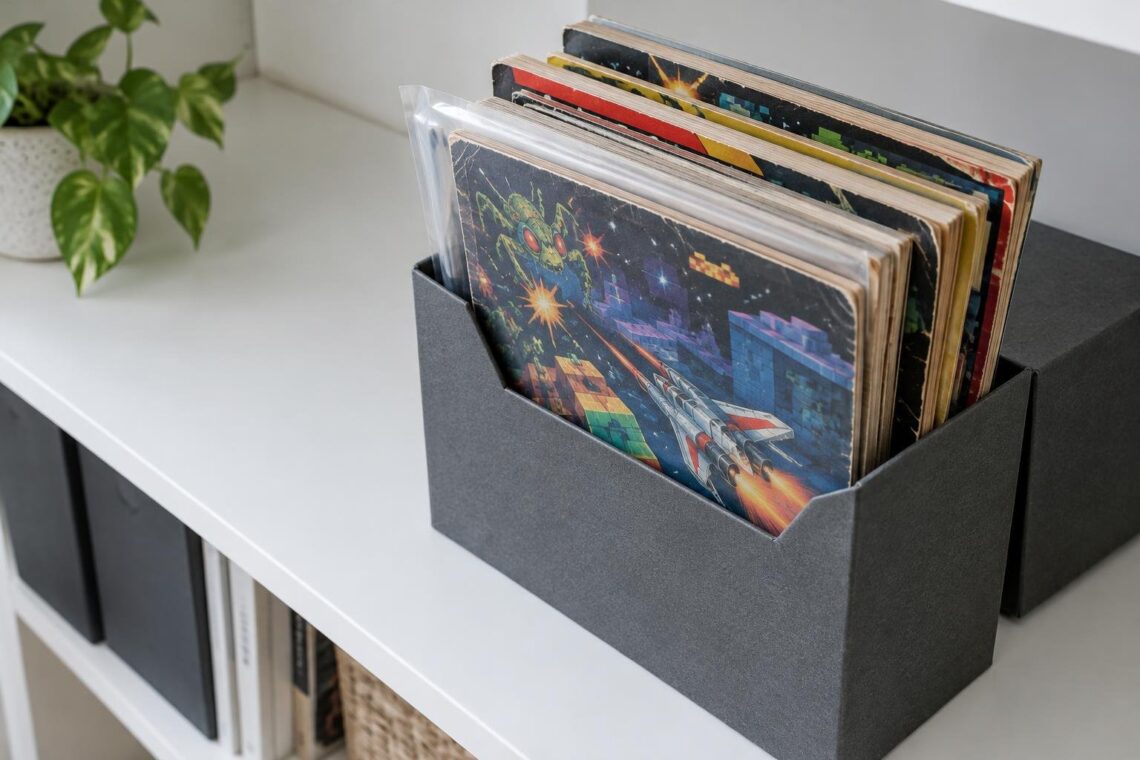
Store issues upright only when they’re supported and packed snugly enough to stay vertical without leaning. If the magazines are thin, unusually large, or prone to bending, flat storage may be gentler. Don’t pile up a heavy stack. Excessive weight can compress lower issues and leave them difficult to remove cleanly.
Use a box that fits the magazine format rather than folding or bending issues to make them fit. Leave enough room to remove an issue without scraping it against the box opening. At the same time, avoid a loose arrangement where magazines slump or slide around. A suitable box should support the collection without squeezing it.
Handle covers, spines, and inserts with care
Before picking up an issue, clear a flat surface and make sure your hands are clean and dry. You generally don’t need cotton gloves for ordinary paper handling; they can reduce fingertip control and make it easier to catch a page or cover. Handle the magazine with both hands, supporting its weight rather than lifting it by one corner.
Open a magazine only as far as the binding allows comfortably. Older staples may be rusty, and a brittle spine can crack if it’s forced flat. For reading or photographing a page, support the open issue on a clean surface and let it rest at a natural angle. Don’t press down on the center fold to flatten it.
Keep original posters, subscription cards, and other inserts with the issue, but don’t force them back into a tight fold or narrow gap. If an insert is already loose, store it alongside the magazine in a suitable sleeve or folder and note which issue it belongs to. Avoid staples, paper clips, rubber bands, pressure-sensitive tape, and sticky notes. These can leave marks, rust stains, residue, or dents.
Skip household cleaning and quick repairs
Dust can often be removed by gently brushing the outside of a closed, stable magazine with a clean, soft brush. Work over a clear surface and avoid pushing dust into the page edges. If the paper is flaking, brittle, moldy, or already torn, stop. Even light brushing may worsen fragile damage.
Don’t use water, household cleaners, oils, or solvents on covers and pages. Glossy coatings, printed inks, and paper can react unpredictably, and moisture may leave a stain or cause pages to stick. Avoid attempts to erase marks or remove adhesive residue unless you have the right conservation experience. A small cosmetic flaw is often safer than a repair that changes or damages the original material.
For a torn page or loose cover, resist the urge to apply ordinary clear tape. Tape can yellow, leave adhesive behind, and make future treatment harder. If the issue has substantial monetary or personal value, ask a qualified paper conservator about repair options before attempting one yourself.
Make an inventory before the collection grows
A simple catalog helps you find issues without repeatedly handling every box. Record the magazine title, issue date or number, and any notable inserts or condition concerns. You can use a spreadsheet, a notebook, or a database you already maintain. Keep the inventory in a separate place from the collection, and include a box or shelf location so you can retrieve an issue efficiently.
Photographs can document condition and make the collection easier to browse. Use a clean, stable support and avoid forcing an issue open to capture a page. A phone camera is fine for a basic record, but don’t use a scanner that requires the magazine to be pressed flat. For a fragile or unusually valuable issue, consider asking a preservation professional about safe imaging.
Digital copies can help you revisit articles without handling the original as often. Keep scans for personal reference and respect the rights attached to the magazine’s contents. A scan doesn’t replace the original’s paper, printing, or physical details, but it can be a useful companion to a carefully stored collection.
Check the collection occasionally
Take a quick look through stored issues from time to time. Watch for new musty odors, dampness, insect activity, rust stains, or pages that seem to be sticking together. Check the storage area as well as the magazines. If you find a problem, separate the affected issue from the rest and address the source, such as a leak or damp shelf, before returning the collection to storage.
Good preservation is mostly about avoiding unnecessary stress on paper. Choose a stable, clean location, use appropriately sized archival storage, and handle each issue gently. With those basics in place, you can enjoy the old reviews, advertisements, and game coverage while giving the magazines a better chance of staying intact.